







Search Results for: number of brews
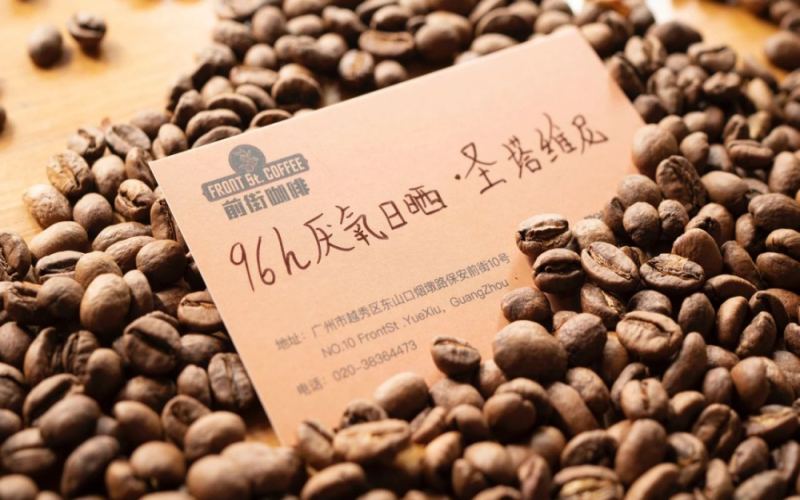
Coffee Bean 74 Series | What Are Ethiopian Coffee Varieties 74110 and 74158? Introduction to Sidamo Santa Vini Coffee Flavor, Mouthfeel, and Pour-Over Brewing Parameters
(Top left) Among the thousands of different coffee varieties, it's inevitable that some beans have rather unusual names! Unlike most beans such as Bourbon and Typica, which have conventional names, these are like secret agents, each with their own code number. For example, varieties named with letters plus numbers. [more…]
From Cold Brew to Siphon and Circulating Filtration: A Detailed Guide to Ten Pour-Over and Brewing Techniques for Single-Origin Coffee
To consistently replicate a clean-flavored single-origin coffee at home, the key lies in understanding the extraction logic behind different brewing methods. This article explores ten common brewing methods, focusing on the key points of cold water slow extraction, steam pressure, and automatic brewing with electric kettles, and also supplements the circulation extraction principle of the filter circulation coffee maker. The content covers equipment preparation, grind size, water temperature and time control, as well as ways to avoid common mistakes. The article also incorporates Front Street Coffee's products and ideas to help coffee enthusiasts choose the right solution based on their equipment and taste, so they can brew a rich and well-layered cup whether on a busy morning or a leisurely weekend. [more…]
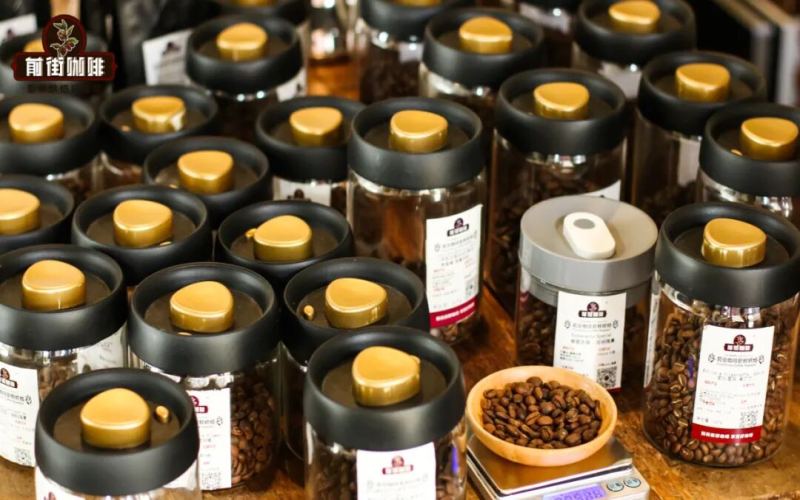
Hand-brewed coffee bean blends | Can blended coffee beans be used for hand brewing? Does a greater variety of beans in a blend make the coffee flavor richer?
Yesterday afternoon, a customer friend asked Front Street: "If you blend all thirty-plus kinds of beans on your blackboard together, would the coffee brewed from them be super delicious?" This is actually not the first time Front Street has received such a question, because many vendors have started promoting blends of four or even more types, so there are often [more…]
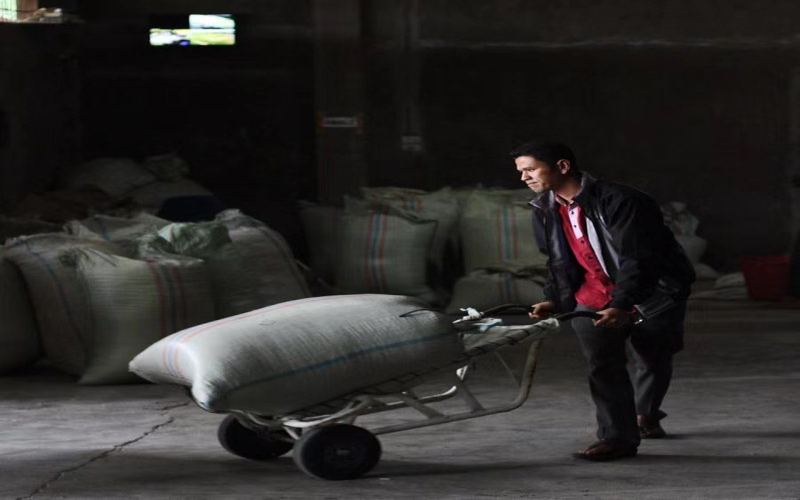
After the Roast Date: A Flavor Calendar for Beginner Pour-Over Beans
From the day a batch of coffee beans finishes roasting, it enters a constantly shifting flavor curve. Right after roasting, the beans are full of gas, so brewing tends to puff up and resist the water flow, and the aromas are not necessarily at their most open; after a few days of resting, the sweetness and complexity often become clearer. For beginners buying pour-over beans, rather than chasing beans that are as close to the roast date as possible, it is better to look at [more…]
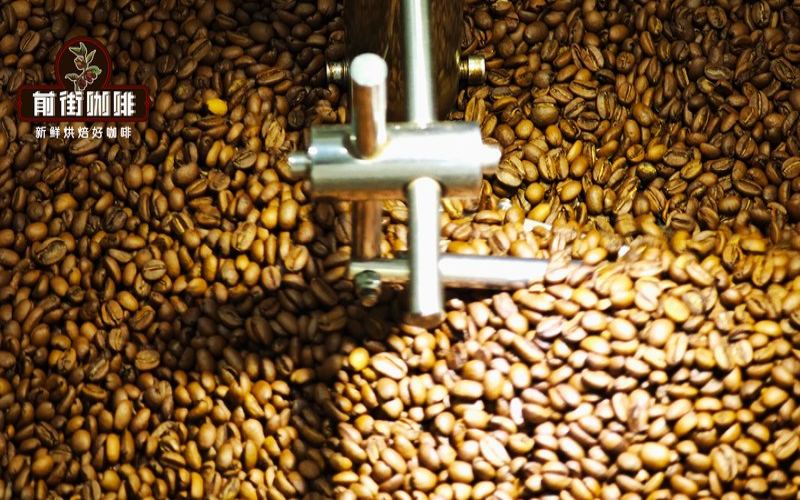
How to Choose Low-Caffeine Hand-Brew Beans: Flavor and Brewing by Roast Level
If you want to reduce your caffeine intake, you can start with the roast level when choosing beans for pour-over, but you can't directly equate light or dark roast with high or low caffeine. Light-roasted beans usually retain more of the aromas of their origin, while dark-roasted beans lean more toward caramel, cocoa, and roasty notes. What truly affects your intake also includes the bean variety, the number of grams used, the cup size, and the extraction efficiency. For example, [more…]
Coffee Grinder Brand Recommendations | Does a Larger Grind Setting on a Coffee Grinder Mean Finer Powder? Is There a Difference in Grind Size Between Strawberry Candy Geisha Blend and Golden Mandheling Coffee?
Coffee beans need to be freshly ground to fully appreciate their aroma, which shows how important grinding is for coffee beans. When grinding, many people have a misconception—namely, which setting they should choose. Generally, the largest number means a coarser grind, and the smallest number means a finer grind. However, every coffee machine, during assembly, transportation, and [more…]

Basic Knowledge for Pour-Over Coffee Beginners | Is Blooming Essential in Pour-Over Coffee? What Is the Purpose of Blooming Coffee Grounds by Pouring Water? How Do You Adjust the Coffee-to-Water Ratio in Pour-Over Coffee?
Front Street Coffee often encounters many pour-over beginners who ask a question: Why does pour-over coffee need blooming? The most indispensable step in pour-over coffee is the blooming stage. The purpose of blooming is to allow the coffee to release gases and ensure even extraction, and it also clearly reveals whether the beans being brewed are fresh. Front Street Coffee focuses on fresh [more…]
Pour-Over Coffee Water Quality
To brew a delicious cup of coffee, you need not only good beans but also good water. In brewed coffee, water accounts for over 98% of the final cup. Therefore, choosing the right water for brewing is also crucial. So what kind of water is actually suitable for brewing coffee? First, Front Street Coffee will explain the requirements for water suitable for brewing coffee. One [more…]
SL28 and SL34: The Legendary Varieties from Kenya's Laboratory
In the world of specialty coffee, few varieties encapsulate a country's technical ambition and terroir expression in two numbers the way SL28 and SL34 do. Their acidity is bright as berry juice, their sweetness rich with blackcurrant notes, and together they have all but defined the "Kenyan taste." This legendary [more…]
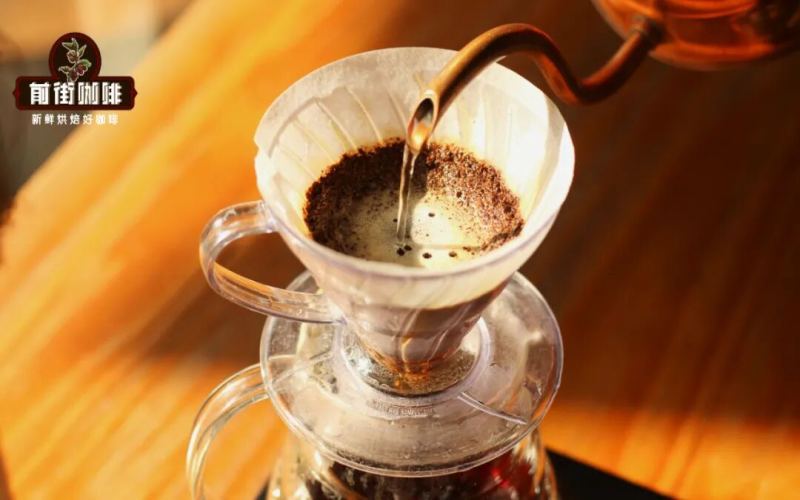
Pour-Over Coffee Brewing Methods | Does Multi-Stage Pouring Make Pour-Over Coffee Taste Better? How to Do Staged Pouring When Making Pour-Over Coffee?
In yesterday's post, Front Street mentioned that one of the advantages of pour-over coffee is its high level of controllability. During the brewing process, we can adjust the pouring method based on the actual situation, so that the coffee's flavor does not stray from being delicious. This statement is not unfounded; many techniques can help us do [more…]
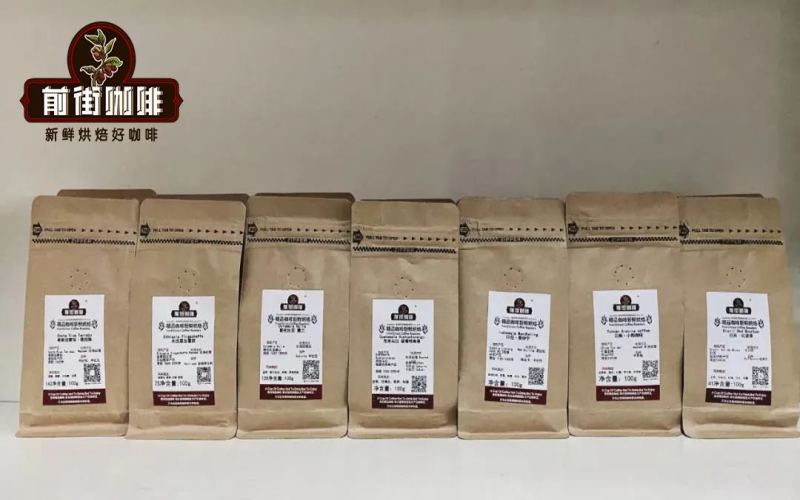
Pour-Over Coffee Brewing Method | How to Grind Coffee Beans and Brew Delicious Coffee at Home: Pour-Over Water Quality and Grind Size Parameters
In recent years, with the rise of the specialty coffee wave, more and more people choose to buy beans and take them home to brew a cup of coffee for themselves, enjoying a leisurely moment. But everything is hard at the beginning, and many beginners wonder, "The coffee I drank in your shop was so good, why can't I brew the same flavor when I go home?" Part of the reason [more…]
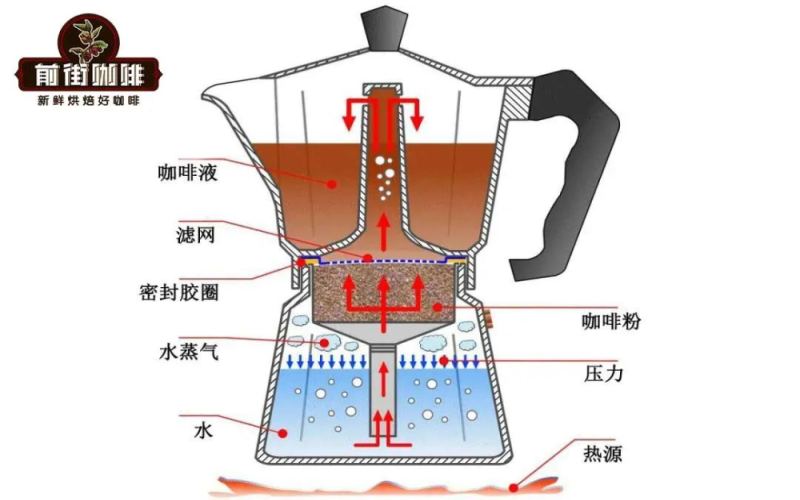
Moka Pot Tutorial | How to Use a Bialetti Moka Pot? How to Brew Delicious Coffee with a Moka Pot? Should You Brew with the Moka Pot Lid Open?
Introduction The moka pot was invented in 1933 by the Italian Alfonso Bialetti. It brews coffee by heating the base, is a type of percolator, and is the most affordable machine for making espresso; it is also commonly used in Italian households. How to make [more…]

Coffee Brewing Time | Why Do You Need to Time Your Pour-Over Coffee? What Factors Affect the Extraction Time When Brewing Coffee?
When brewing the vast majority of coffees, we always casually press the timer function that comes with the scale to start counting time—this is something that seasoned baristas have emphasized since the very beginning. But for some friends, this behavior is incomprehensible, because they believe that recording time has no effect on the coffee. [more…]
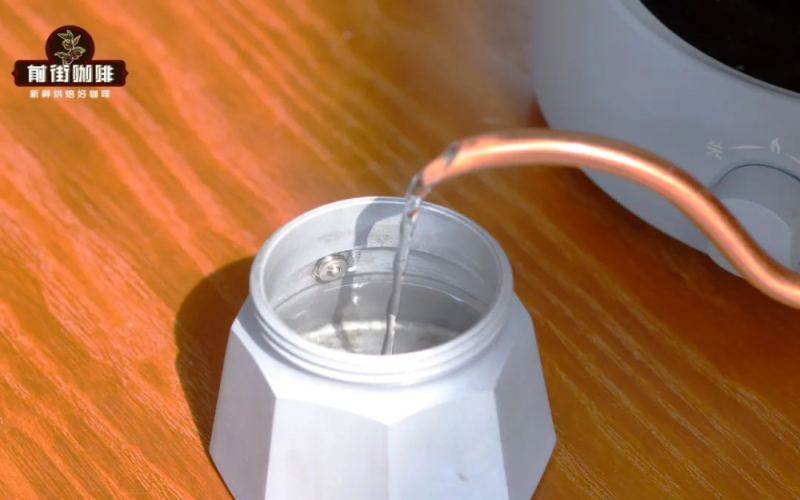
Moka Pot Tutorial Illustrated | How Does a Moka Pot Brew Espresso-Style Black Coffee with Crema? Can Brazil Queen's Estate Yellow Bourbon Be Brewed in a Moka Pot? What's the Difference Between Single-Valve and Dual-Valve Moka Pots?
For more specialty coffee knowledge, please follow: Front Street Coffee (Frontsteet Coffee). The moka pot is a coffee device very close to an espresso machine, capable of making rich, aromatic coffee with crema. It is deeply loved by Italian households. But for us, the moka pot is rarely encountered, therefore [more…]

Moka Pot Usage Guide with Illustrations | How to Brew Coffee with Crema Using a Moka Pot? Which Coffee Beans Are Suitable for a Moka Pot? What Should You Pay Attention to When Brewing Coffee with a Moka Pot?
For more specialty coffee knowledge, please follow: Front Street Coffee (Frontsteet Coffee) The moka pot is a coffee device that is very close to an espresso machine, capable of producing rich, aromatic coffee with crema. It is deeply loved by Italian families. But for us, the moka pot is rarely encountered, so [more…]

A Practical Guide to Using a Manual Coffee Grinder: A Full Breakdown of Burr Structure, Grind Setting Adjustment, and Daily Maintenance
Manual coffee grinders are a go-to piece of gear for many pour-over enthusiasts, serving both everyday home use and, when paired with a French press, AeroPress, or moka pot, forming a portable outdoor kit. Grinders from different brands and models vary noticeably in price and the quality of the ground coffee they produce. From the perspective of Front Street, this article systematically breaks down the core components of a manual grinder—the burr, the adjustment dial, the handle, the bean hopper, and the grounds bin—and explains how to adjust the grind setting according to your brewing method, how to turn the handle correctly, and the key points of cleaning and regular maintenance, helping you use your manual grinder more smoothly and making every cup's extraction more consistent. [more…]

Ethiopian Specialty Hand-Brew Beans | Why Is Sidamo Yirgacheffe Coffee So Aromatic? Is There a Big Flavor Difference Between Washed and Natural Yirgacheffe?
Yirgacheffe is a small town in southern Ethiopia, originally part of Sidamo Province. Later, because of its distinctive white floral aroma and citrus flavor, which left a deep impression on everyone who tasted it, Yirgacheffe became independent from the Sidamo region, officially ushering in a new era of acidic coffee and becoming [more…]

How to brew ground coffee | How to determine the grind size for an American coffee maker? How to make delicious black coffee with an American drip machine?
Customers who frequently come to Front Street Coffee sometimes ask the baristas if there's a lazy-person coffee machine suitable for home use, preferably at a reasonable price. Well then... let's get to know the American drip coffee maker! The American drip coffee maker (Drip Coffee Maker) is currently one of the more commonly used [more…]
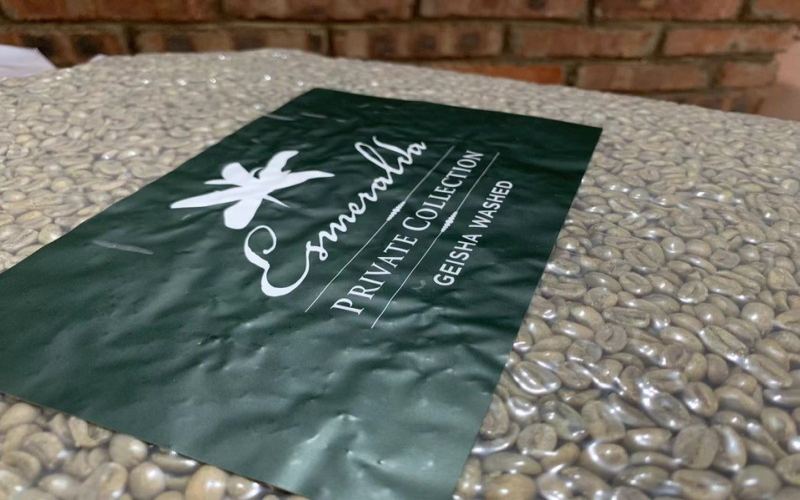
From the degassing period to peak flavor, master the flavor rhythm and storage techniques of blended coffee beans
After roasting is complete, coffee beans accumulate a large amount of carbon dioxide gas inside. When freshly roasted, this gas is highly active, and during brewing it tends to produce vigorous bubbles that hinder the water from fully contacting the coffee grounds. Understanding the roast date and the degassing process is the starting point for appreciating the rich layers of a blended coffee. Blended beans of different roast levels have different degassing rhythms. [more…]
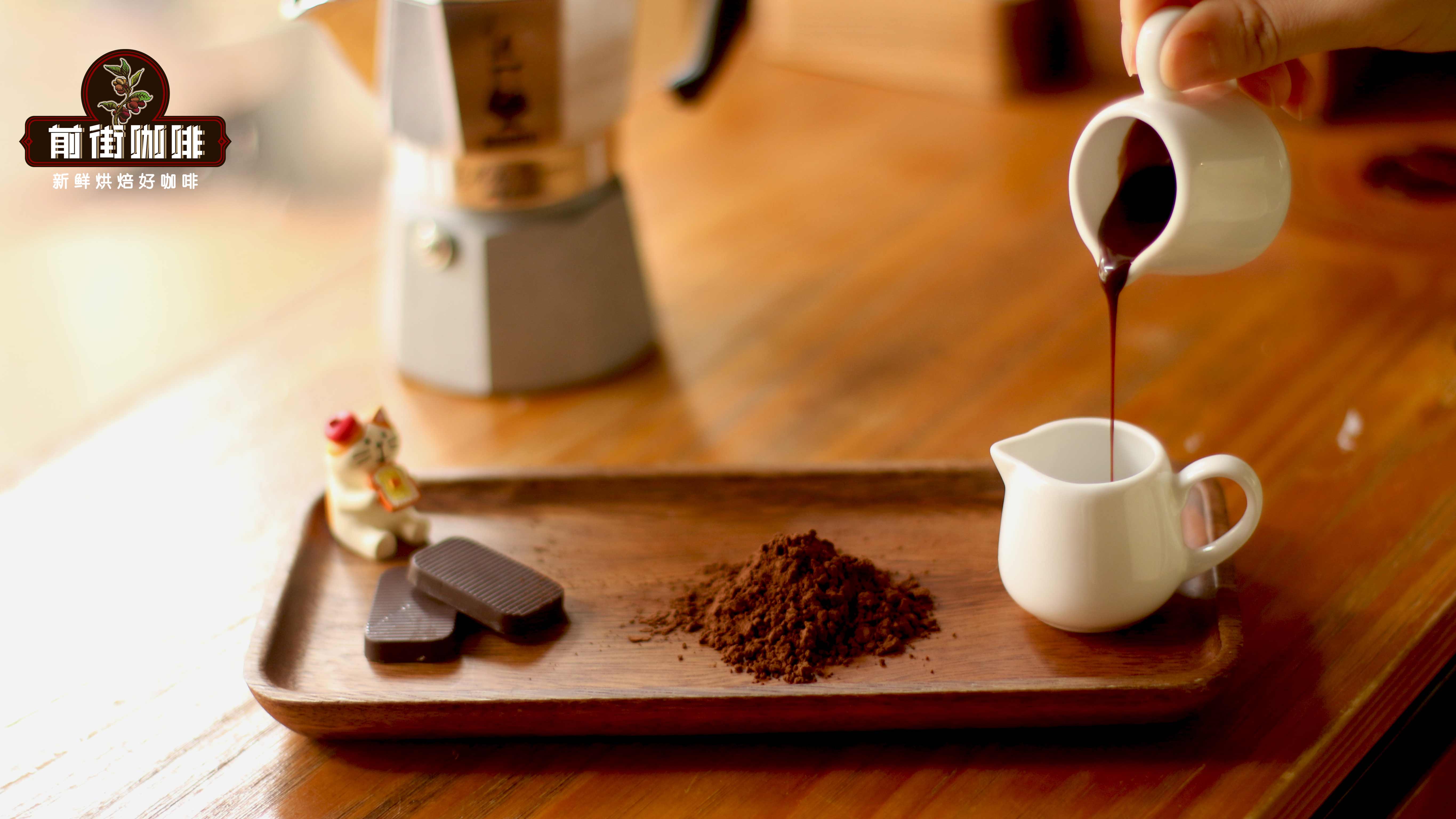
How to Choose Chocolate-Nutty Coffee Beans? A Full Flavor Analysis of Seven Front Street Coffee Dark and Medium-Dark Roasts
The cocoa and nutty notes in coffee always evoke warm moments of dessert. The formation of this flavor profile is inextricably linked to the caramelization and Maillard reactions during roasting—the former releases sugars that bring a chocolate-like sweetness, while the latter generates a large number of pyrazine compounds, giving coffee layers of malt, roasted cocoa, almond, and hazelnut. If you prefer dark chocolate and nutty tonalities, medium or medium-dark roasted beans often better meet those expectations. This article compiles seven recommendations from the self-roasting brand Front Street Coffee, covering espresso blends and single-origin beans, from the classic Mamba formula to Golden Mandheling, analyzing each one's flavor characteristics and suitable scenarios to help you find that cup you love. [more…]